

You’ve put in the hard work: your SEO is fully optimised, your paid campaigns are meticulously budgeted, your brand is steadily building recognition, and all the I’s are dotted and the T’s crossed. No matter how effectively you pull potential customers onto your website—whether through organic search, PPC, affiliate links, or other channels —once they’re there, your primary objective is simple…“convert them into customers”.
The first step in turning visitors into buyers is the landing page they see. Whether it’s the homepage, category pages, or product pages, each has its own role in guiding your visitors through the conversion funnel. Let’s break down the key types of landing pages and their roles in your overall strategy.
1. Homepage:
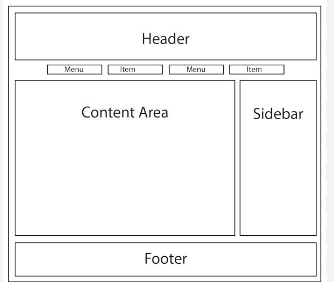
The homepage is often the most visited page on your site, and for good reason. It serves as your digital shop window, welcoming visitors and giving them a snapshot of what you offer. Your homepage is likely to rank well in SERPs, is frequently linked through affiliate programmes or PPC ads, and may even be bookmarked by returning visitors.
Conversion Potential: GOOD
– Why it Converts: It’s highly visible, often ranks well, and functions as a central hub, guiding users to relevant sections of your site. A well-optimised homepage is essential for top-of-the-funnel engagement, leading visitors deeper into your website.
– Tip for Better Conversion: Use clear CTAs (calls to action) to direct visitors to more focused, high-converting pages like product categories or special offers.
2. Category Pages:
Category pages sit at the core of both your organic and paid strategies. These pages are typically where you allocate a substantial portion of your PPC budget, targeting specific keywords and product categories. They also tend to rank well in organic searches, provided they’re well-optimised.
Conversion Potential: GOOD
– Why it Converts: Category pages offer a broad view of your product catalogue, allowing users to explore products based on their interests. They serve as a natural progression from the homepage, leading visitors further down the conversion funnel.
– Tip for Better Conversion: Keep category pages clean, concise, and easy to navigate. Highlight bestsellers or special promotions to nudge customers toward a purchase.
3. Static Pages:

Static pages, such as your service pages or content hubs, may not seem like obvious conversion drivers, but they play an important role in your broader SEO and branding strategy. These pages can answer long-tail queries, demonstrate your industry authority, and build trust with visitors.
Conversion Potential: LOW
– Why It Rarely Converts: These pages are typically informational rather than transactional. While they can help build credibility, they’re less likely to drive immediate conversions.
– Tip for Better Conversion: Incorporate subtle CTAs or links to product pages within your static content to encourage users to take action after reading.
4. Product List Pages:
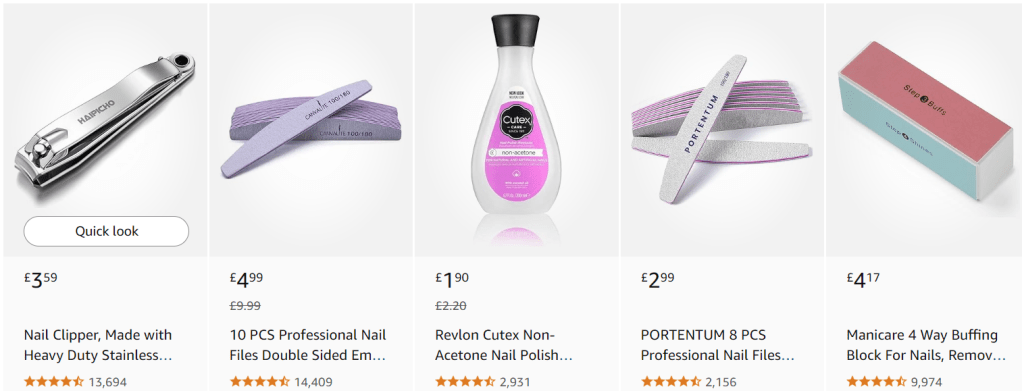
Product list pages (PLPs) are the backbone of eCommerce. Whether appearing as a second-tier page under a category or as a lower-level page in the navigation hierarchy, these pages allow customers to browse through your product listings. They often represent the stage where users have refined their search and are ready to explore products in detail.
Conversion Potential: HIGH
– Why it Converts: PLPs are designed for users who are already narrowing down their options, making them more likely to convert. A well-organised PLP with clear images, prices, and sorting options can guide customers seamlessly toward a purchase.
– Tip for Better Conversion: Include filters that allow users to sort products by price, popularity, or features. Offer quick-view options for easier product comparison.
5. Facet Pages:
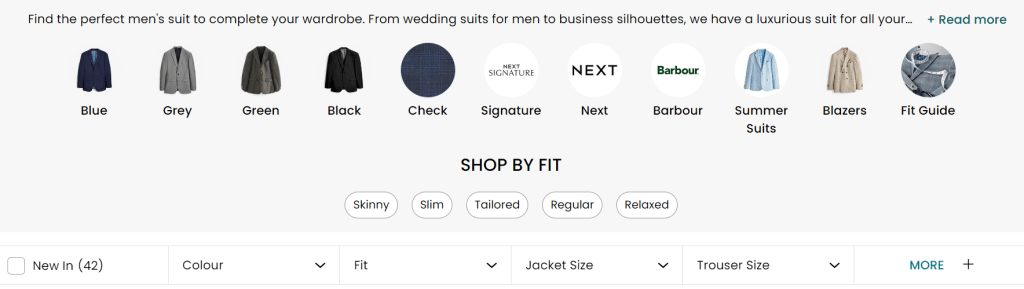
Facet pages, often known as filter pages, take the product list experience a step further. They allow users to refine their search by selecting or multi-selecting criteria like price range, colour, sise, or brand. These pages are commonly used by visitors who know exactly what they want and are just fine-tuning their search.
Conversion Potential: HIGH
– Why it Converts: Facet pages cater to highly intentional shoppers. By helping them find exactly what they’re looking for faster, you’re shortening the buying cycle and increasing the likelihood of conversion.
– Tip for Better Conversion: Ensure your facets are intuitive and cover all essential product attributes. Offer clear, real-time filtering to reduce friction in the decision-making process.
6. Product Detail Pages (PDPs):
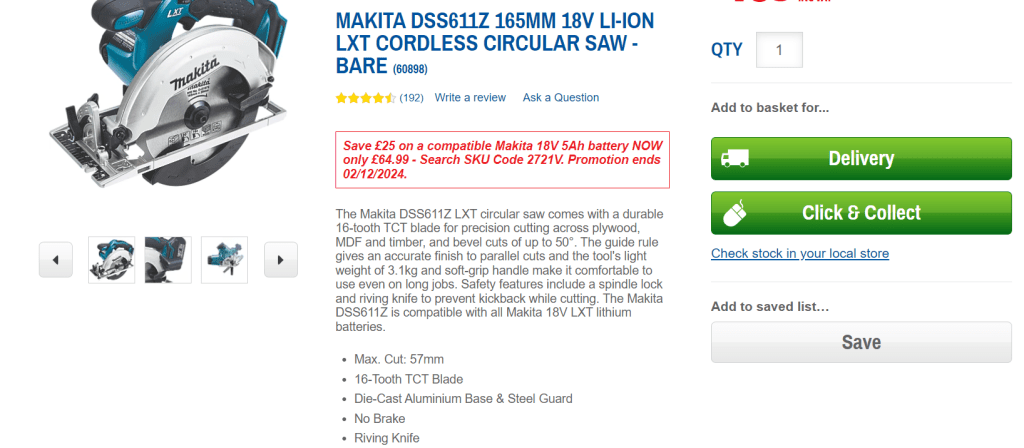
Product Detail Pages are the final stop for many online shoppers. Whether a visitor lands on a PDP via a display ad, organic search, or through their own navigation, this is where they make the decision to buy. However, PDPs can be challenging to rank for in SERPs for many reasons, no less so than the fierce competition for these types of pages.
Conversion Potential: VERY HIGH
– Why it Converts: By the time a visitor reaches a PDP, they’re close to making a purchase. High-quality images, detailed product descriptions, and persuasive CTAs can make all the difference here.
– Tip for Better Conversion: Optimise your PDPs with strong visuals, detailed product specifications, and customer reviews. Make the “Add to Trolley” button prominent and provide clear shipping and return policies to eliminate last-minute hesitation.
Key Takeaway: Conversion Relies on Optimising Your Product Information
Interestingly, the top three high-converting pages—Product List Pages, Facet Pages, and Product Detail Pages—all revolve around your product information. Why? Because by the time a visitor engages with these pages, they’ve moved from browsing to actively considering a purchase. If your product information is clear, comprehensive, and easy to navigate, the chances of conversion skyrocket.
While homepage and category pages are great for drawing in traffic and setting the stage, it’s the detailed product pages and filtering options that truly drive revenue. Focusing your efforts on optimising these high-converting pages will yield a far better return on investment than tweaking lower-converting pages like static content.
In summary:
Conversion optimisation is an art as much as it is a science. By focusing on the pages that matter most to your customers and offering them the smoothest path to purchase, you’re already well on your way to maximising the value of every visitor to your site. Whether through improved navigation, streamlined product filtering, or irresistible product descriptions, every small adjustment you make can result in big gains at checkout.
To learn more about how your product information will improve conversion across your already highest converting pages, contact me via email at josmithtoday@gmail.com.
 DIGITAL TODAY - Digital Marketing Consultant
Leave a comment